👉 🇰🇷 한국어 버전 보기 → Watch the Korean version of this article
영국 록의 씨앗 The Shadows — 1961년 첫 앨범이 남긴 기타 혁명
👉🇺🇸 English Version → 이글의 영어버전 보기 1961: The Shadows’ Debut Album That Changed Guitar History1961 — A New Sound EmergesPost-war Britain was still finding its footing. Pop culture was shifting, gradually moving away from Amer
info.park06.com
1961 — A New Sound Emerges
- Post-war Britain was still finding its footing. Pop culture was shifting, gradually moving away from American jazz and early rock’n’roll echoes. The Beatles were still in the distant future; the term “British Invasion” didn’t exist yet. In this transitional period, young British musicians sought their own guitar sound, somewhere between skiffle and the fading rock’n’roll wave.
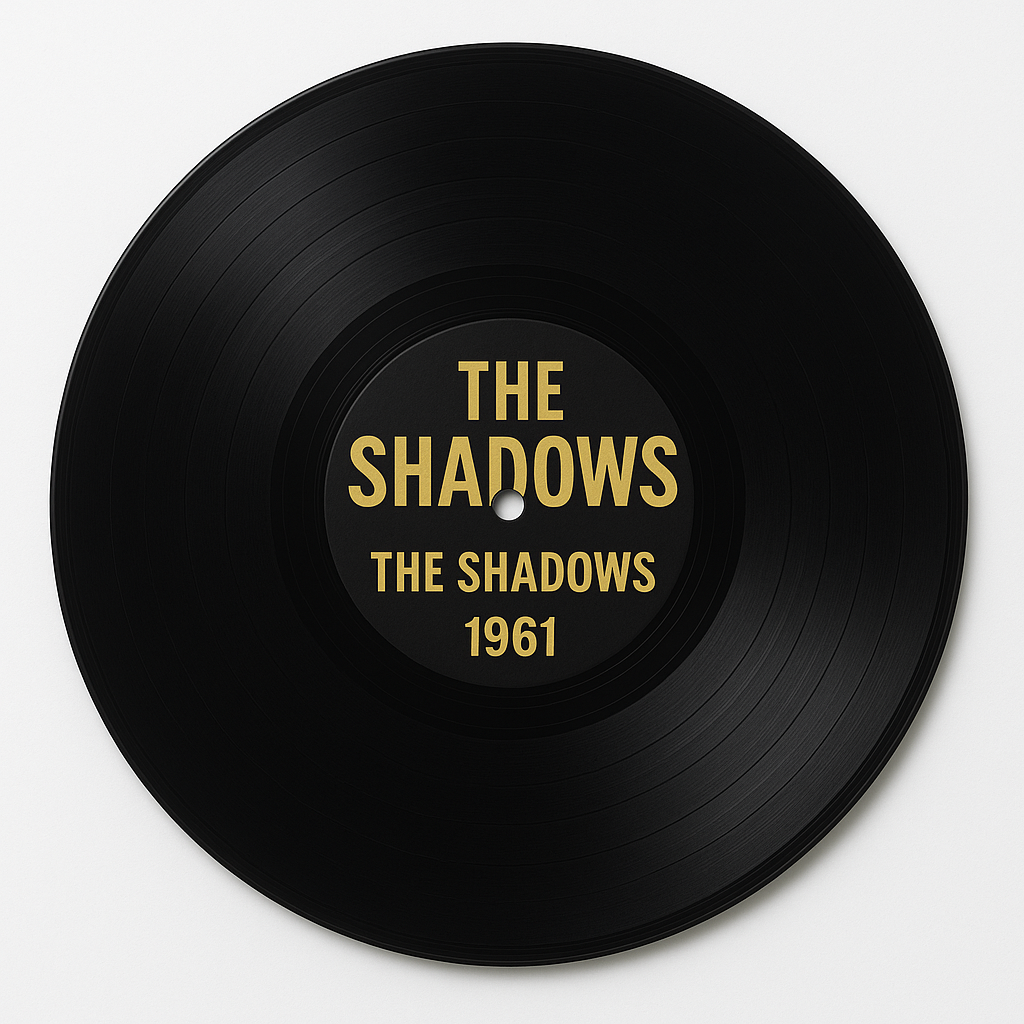
It was in this environment that The Shadows released their debut album, The Shadows. Unlike most albums of the time, which prioritized vocals with instrumental backing, this album placed the guitar at the center, telling a story purely through music. The recording, though studio-produced, carried the intimacy and tension of a live session — the resonance of the electric guitar, the subtle room ambience, even the faint hum of the recording equipment.
This debut was more than an introduction; it was a signal of a new era in British guitar-led rock. Listeners, encountering this instrumental journey, could almost feel the pulse of the future every time the strings resonated.
Artist Background & Recording Insights
Formation and Members
The Shadows originally formed as The Drifters in 1958. Due to a name conflict with an American group, they rebranded as The Shadows in 1959.
The lineup:
- Hank Marvin (Lead Guitar): Signature tremolo and shimmering Strat tone.
- Bruce Welch (Rhythm Guitar): Anchoring harmonic structure and rhythm interplay.
- Jet Harris (Bass): Providing the deep foundation and melodic bass lines.
- Tony Meehan (Drums/Percussion): Driving the grooves and maintaining precise timing.
Each member came from diverse musical backgrounds, including skiffle and jazz, which merged to form the band’s distinctive sound. Initially, they played as Cliff Richard’s backing band but gradually began exploring guitar-centric expression.
Studio & Production
The album was recorded at the legendary Abbey Road Studios (then EMI Studios) between October 1960 and June 1961. Remarkably, most tracks were captured in “live takes” — minimal overdubs and post-production. Stereo and mono mixes were tracked simultaneously. Any mistake meant a retake, lending the recordings their organic, tense energy.
Guitars included Fender Stratocasters, Gretsch Country Gentleman, and Gibson J‑200; Jet Harris played a Fender Precision Bass; Tony Meehan used Gretsch/Trixon drums. All amps were Vox AC30s, giving that iconic British chiming tone. Norrie Paramor produced, with Malcolm Addey engineering.
Trivia
Though largely instrumental, a few vocal tracks were included — a nod to pop sensibilities and an effort not to alienate audiences expecting vocals. Standout experimental tracks like “Nivram” (bass-focused) and “See You in My Drums” (drum-centric) highlighted the individual strengths of each member, rare for the era.
Album Overview
The Shadows LP featured 14 tracks (Mono/Limited CD versions vary) spanning multiple genres: rock, blues, jazz, pop, and drum features. The sequencing created a sense of a live mini-concert, where each track offered a new facet of the band’s personality.
Highlights
- Shadoogie: Opening track, a reimagined 12-bar blues inspired by Arthur Smith’s “Guitar Boogie.” Hank’s tremolo-laden Strat tone shines, supported by tight rhythm interplay. It’s playful, yet intimate, the kind of song that could inspire a whole generation of guitarists.
- Nivram: A rare 1960s pop record where the bass takes the spotlight. Jet Harris’s bass interacts with the guitars, emphasizing depth and texture, making it a “band effort” rather than a lead-guitar showcase.
- See You in My Drums: Tony Meehan’s drum showcase — a bold move, giving rhythm and percussion equal narrative weight in a pop/rock LP.
- Vocal Tracks (“That’s My Desire”): Though instrumental focus dominates, these tracks reminded listeners the band could handle conventional pop elements gracefully.
The LP’s variety allowed listeners to experience blues, drum solos, and pop vocals in a single session, giving the feel of a mini-concert at home.
Focused Track Analysis: Shadoogie & Nivram
Shadoogie — The Guitar’s Tale
“Shadoogie” resonates like a small jazz club in a London alley, tremolo and reverb echoing off imaginary brick walls. Its 12-bar blues structure is familiar yet enlivened by intricate guitar harmonies and the subtle rhythm section. Listening on vinyl, the slight vibration of the LP needle enhances the intimacy, making it feel as if the band is performing in your living room.
Nivram — Bass as a Voice
“Nivram” elevates the bass from supporting role to co-protagonist. Jet Harris’s melodic lines converse with Hank and Bruce’s intertwined guitars. The track demonstrates the Shadows’ philosophy: every member contributes equally to the story, and the album’s energy flows from the interplay of all four musicians.
Impact on Music & Culture
The Shadows pioneered guitar-led pop in Britain. While the British charts were dominated by vocal-centric groups, the Shadows showed that instrumental rock could command attention. Hank Marvin’s Fender Strat tone and Vox AC30 setup became blueprints for countless UK guitarists.
The LP also demonstrated the potential of albums as cohesive artistic statements, beyond just a collection of singles. Its variety — guitar, bass, drums, and vocals — expanded the boundaries of what a pop/rock LP could encompass. Future surf rock, instrumental rock, and British beat bands inherited this flexible, ensemble-driven approach.
Modern Appreciation & Listening Tips
Experiencing this LP today — especially on vinyl through a Hi‑Fi setup — transports listeners back to 1961 Abbey Road. The analog warmth, guitar shimmer, and spatial depth reveal nuances lost in compressed digital formats. Stereo mixes highlight instrument placement and the interplay between bass, drums, and dual guitars.
Older listeners may feel nostalgia for the origins of British rock; younger audiences will discover the roots of electric guitar culture. Listening attentively, “Shadoogie” and “Nivram” become lessons in tone, phrasing, and band cohesion — timeless masterclasses.
Closing Thoughts
As the needle touches the vinyl, imagine the room filled with the Shadows’ energy: the faint hum of amps, the string resonance, the drummer’s subtle dynamics. This debut LP isn’t just history; it’s a living artifact of sound, inviting us into the world of 1961 British rock.
#TheShadows #1961TheShadows #HankMarvin #BritishInstrumentalRock #60sGuitarRock #AbbeyRoadStudios #ClassicRockLP #VoxAC30 #VintageGuitarSound #InstrumentalRock #GuitarHistory #BritishRockHistory #RocknRollOrigins #Nivram #Shadoogie


