👉 🇰🇷 한국어 버전 보기 → Watch the Korean version of this article
1961년을 흔든 곡 — Del Shannon ‘Runaway’와 그의 데뷔 앨범 이야기
👉🇺🇸 English Version → 이글의 영어버전 보기1. 1961년, 세상이 바뀌는 소리1961년, 미국과 전 세계는 전후 베이비붐 세대가 사춘기를 거치며 새로운 젊은 문화가 싹트던 시기였습니다.라디오와
info.park06.com
1. 1961, The Sound of a Changing World
In 1961, the United States and much of the world were in the midst of a cultural shift.
The postwar baby boomers were entering their teens, radio and television had become fixtures in everyday life, and the lines between rhythm & blues, country, and early rock ’n’ roll were blurring.
Pop music was still largely single-driven; LPs were considered secondary, almost a luxury.
Amidst this backdrop, a single song emerged in the spring of 1961 and swept across the nation. It featured not just guitars but an unusual electronic instrument—an early precursor to the synthesizer—paired with a husky male vocal that carried an ache and urgency rarely heard in mainstream pop at the time. That song was Runaway.
Runaway wasn’t just another hit single—it represented a fusion of black R&B, early electronic tones, and white pop sensibilities.
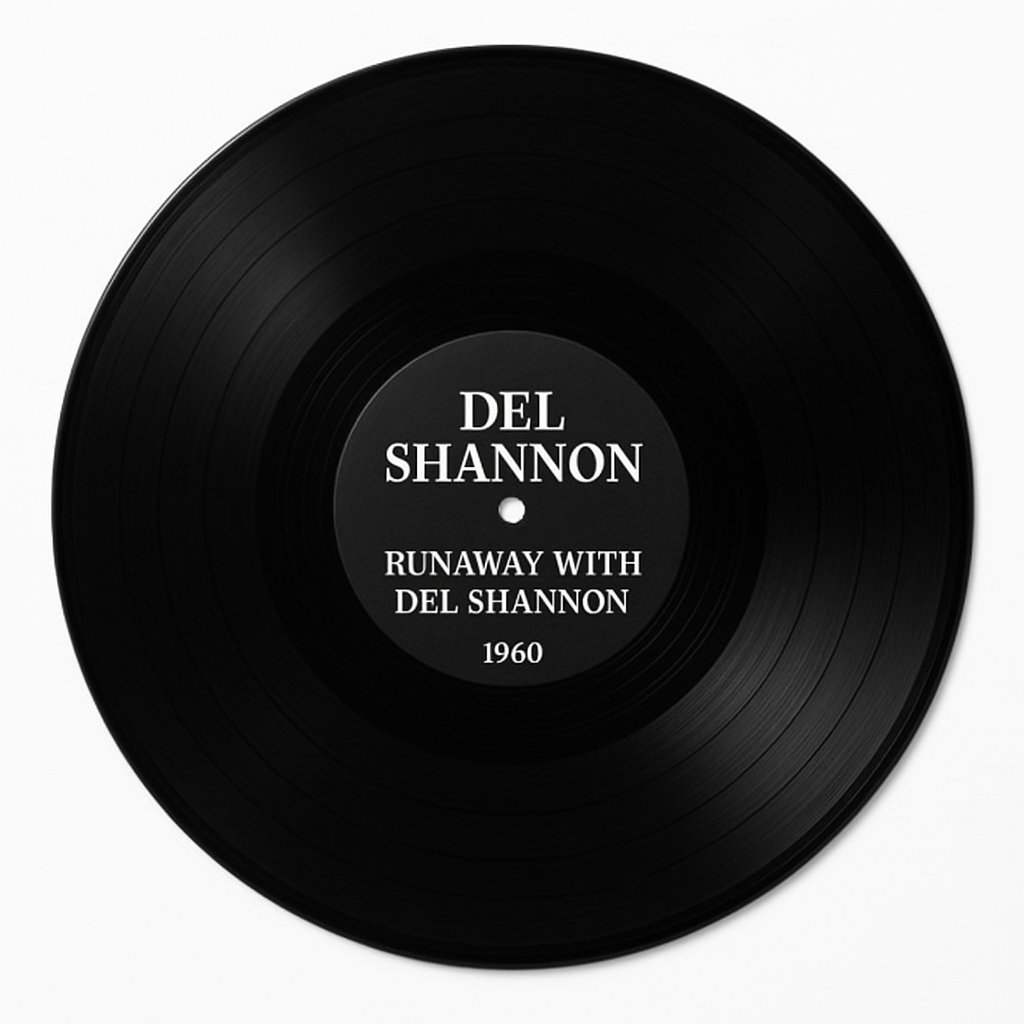
Centered around this track, Del Shannon’s debut album, Runaway with Del Shannon, would serve as a bridge to the upcoming British Invasion, widening the musical horizon for both pop and rock audiences.
Listening to this LP today, placing the needle gently on the vinyl, you can almost feel the hum of a 1961 New York studio and the echo of a man’s longing captured in sound.
2. Artist Background & Recording Behind the Scenes
Born Charles Weedon Westover, Del Shannon hailed from Coopersville, Michigan, growing up near Battle Creek. From his teenage years, he played in local bands, eventually making his way to the Detroit club scene. Adopting the stage name Del Shannon, he began to craft the image and persona that would take him to national fame.
A key collaborator was keyboardist Max Crook, who had modified an electronic organ into what he called the Musitron. This unusual instrument contributed a futuristic tone to Shannon’s recordings, an early ancestor of the synthesizer.
On January 21, 1961, Del Shannon entered New York’s Bell Sound Studios. Producer Harry Balk oversaw the sessions, enlisting professional session musicians for guitar, bass, and drums.
Notably, session guitarist Al Caiola handled the guitar parts, while Max Crook played the Musitron solo. Interestingly, Shannon himself did not play guitar during the recording, a decision driven by management rather than skill.
The song underwent several iterations. An earlier club number, Little Runaway, was reworked and renamed Runaway. Crook’s Musitron solo was preserved, Shannon’s husky vocals added, and the combination produced something entirely fresh and captivating.
Legend has it that, before release, producer Balk slightly increased the tape speed, subtly raising the pitch and tempo of Shannon’s vocals and the instrumental tracks. Shannon initially protested, feeling his voice was altered—but the change ultimately gave Runaway its signature “otherworldly” quality.
3. Album Runaway with Del Shannon Overview
Released in June 1961, Shannon’s debut LP was more than a mere collection of singles.
It was a snapshot of early ’60s pop-rock, blending rock ’n’ roll, R&B, and experimental electronic sounds.
Track Highlights:
- “Runaway” – The centerpiece: Musitron’s ethereal solo, Shannon’s speed-adjusted vocals, and a melancholic melody in a minor key.
- “(Marie's the Name) His Latest Flame” (Early Version) – Later popularized by Elvis Presley, Shannon’s version carries a subtle blue note sadness.
- “I Wake Up Crying” (Chuck Jackson Cover) – Demonstrates Shannon’s ability to reinterpret R&B with his own emotive, almost pleading vocal style.
- Other tracks maintain a consistent mood—concise rock and pop numbers enhanced by Shannon’s husky vocal delivery, giving the album a melancholic yet catchy character.
The LP showed Shannon was more than a one-hit wonder; he was an artist bridging genres and experimenting with sound, a daring move for 1961.
4. In-Depth Analysis of Runaway
Lyrics & Emotional Core
Runaway explores the pain of lost love. The refrain, “Why, why, why… I’m running away”, sung in Shannon’s husky baritone, evokes a lonely man wandering under neon lights at night. The lyrics are simple but poignant, allowing listeners to project their own memories of longing and heartbreak.
Instrumentation & Sound
- Musitron Solo – Crook’s Musitron produces an alien, almost glassy tone, weaving through the track like a lonely voice from another dimension.
- Vocals – Shannon’s husky baritone alternates with falsetto peaks in the chorus, creating tension and emotional release.
- Mixing & Tape Speed – The subtle tape-speed increase gives the song its unique, slightly surreal timbre.
Reception & Live Performance
Shannon performed Runaway on American Bandstand in April 1961, propelling it to No. 1 on the Billboard Hot 100 for four weeks.
Fans described it as unlike anything they had ever heard, a combination of futuristic sound and raw emotional delivery.
5. Impact on Music Industry & Culture
- Early Fusion of Pop & Electronics – The Musitron and tape manipulation pioneered a sonic palette that foreshadowed later synthesizer-based pop.
- Emotional Depth in Pop Music – Beyond danceable rock ’n’ roll, Shannon’s work demonstrated that pop could convey complex feelings of loss and longing.
- A Bridge to the British Invasion – Shannon’s blend of rock, pop, and electronics hinted at the genre-blurring music that would soon sweep England and then the world.
Runaway was not just a hit—it was a signal of pop’s evolving possibilities.
6. Modern Appreciation & Listening Tips
Experiencing this LP today, especially on vinyl, provides a tactile connection to 1961.
The slightly gritty warmth of analog sound, Shannon’s breathy vocals, and Crook’s Musitron tones create an immersive experience.
- Vinyl Recommended – For maximum authenticity, listen on an original 1961 LP.
- Hi-Fi Systems – Systems emphasizing midrange warmth and treble clarity, or even tube amplifiers, capture the album’s character best.
- Age-Specific Listening Notes:
- Teens & 20s: Explore the roots of modern pop and early electronic music.
- 30s–50s: Appreciate the album as a key transitional point in 60s pop/rock.
- 50s+: Relive or compare with music from your youth and rediscover its emotional impact.
7. Closing Thoughts
Placing the needle on the LP and hearing the first note of Runaway, you can almost picture that cramped Bell Sound studio: a console, a slightly buzzing Musitron, a nervous young singer, and a producer tweaking tape speed.
Time folds, and you are there.
Shannon’s husky voice, Crook’s ethereal solo, the aching melodies—they create a sonic time machine. The loss, loneliness, and emergence of a new musical era echo through every bar.
#DelShannon #Runaway #RunawayWithDelShannon #1961Pop #RocknRoll #Musitron #MaxCrook #ClassicPop #VintageHits #PopMusicHistory #VinylLP #BellSoundStudios #PopSound #RetroRock #PopRecommendations


