👉 🇰🇷 한국어 버전 보기 → Watch the Korean version of this article
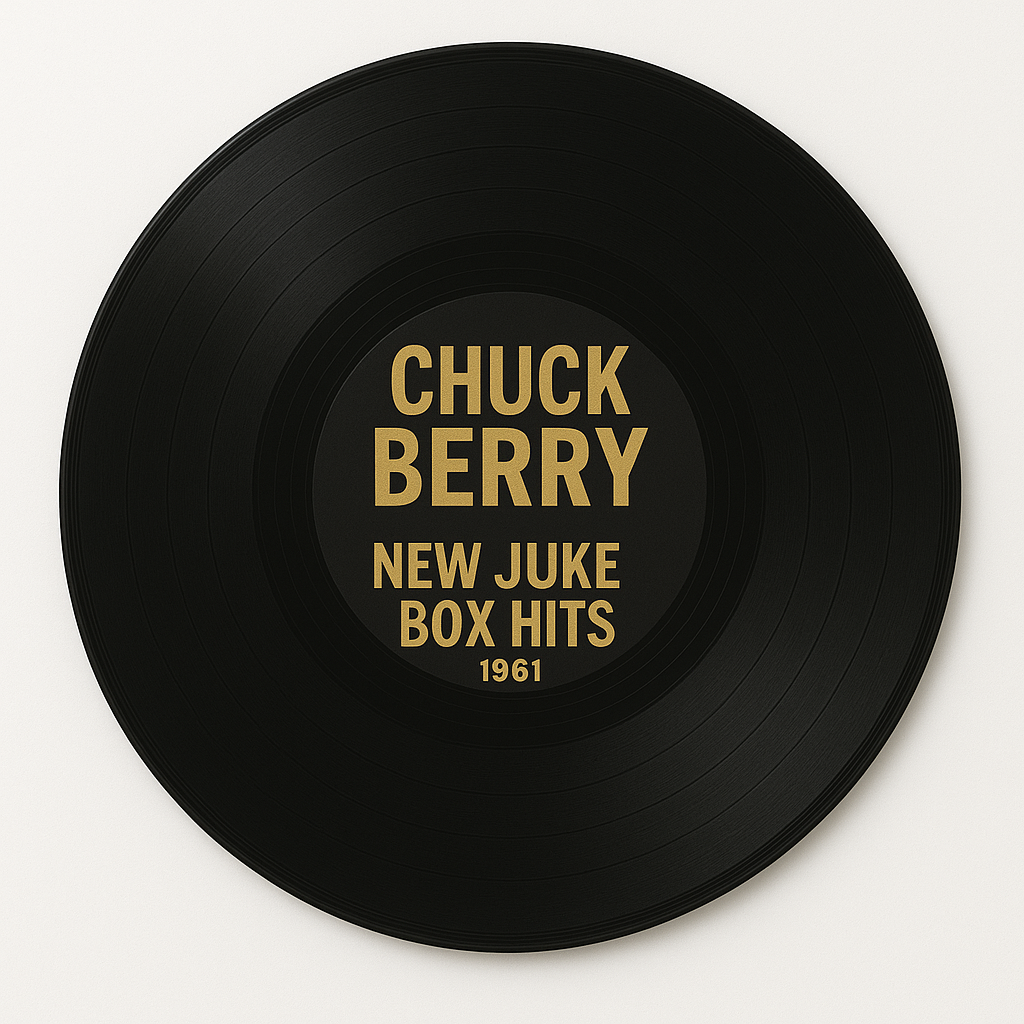
Chuck Berry – New Juke Box Hits (1961) 로큰롤의 심장을 다시 뛰게 한 앨범
👉🇺🇸 English Version → 이글의 영어버전 보기 Chuck Berry – New Juke Box Hits (1961): A Deep Dive into the Heart of Early Rock ’n’ RollChuck Berry – New Juke Box Hits (1961) Full Analysis 1) Intro – 1961, A Year When Rock ’n’
info.park06.com
Chuck Berry – New Juke Box Hits (1961) Full Analysis
1) 1961, A Year When Rock ’n’ Roll Trembled but Survived
The year 1961 sits in a curious pocket of music history.
The explosive wave of 1950s rock ’n’ roll had begun to calm, and the industry was shifting toward a new, polished direction.
Elvis Presley was serving in the military, Buddy Holly had passed away, and Little Richard had temporarily stepped away to pursue religious work.
The American music scene leaned toward softer teen pop, crooning harmonies, and doo-wop remnants.
Yet in the middle of that transition stood a man still gripping his guitar as if it were a compass pointing toward the future of rock:
로켓배송으로 빠르게, 로켓와우 멤버십으로 할인과 무료 반품까지 | 쿠팡
쿠팡 로켓배송, 로켓프레시, 로켓직구, 로켓럭셔리까지 쿠팡 멤버십으로 모든 헤택을 한 번에 누려보세요. 쿠팡 와우회원은 무료배송도 가능합니다
www.coupang.com
"이 포스팅은 쿠팡 파트너스 활동의 일환으로, 이에 따른 일정액의 수수료를 제공받습니다."
Chuck Berry.
By 1961, Berry had already carved himself into the foundation of rock ’n’ roll with razor-sharp guitar riffs and witty storytelling.
And in this turbulent year, he released New Juke Box Hits, a record that feels less like a grand artistic statement and more like a declaration:
“Rock ’n’ roll isn’t done yet.”
Put the LP onto a turntable and you’ll hear it immediately—the dust, the crackling spins, and then that unmistakable Berry guitar snap that pulls you straight into the early ’60s.
It’s like stepping into a chrome diner with neon reflections on a jukebox, the kind that flickered when the next 45 rpm disc dropped into place.
"이 포스팅은 쿠팡 파트너스 활동의 일환으로, 이에 따른 일정액의 수수료를 제공받습니다."

2) Artist Background & Behind-the-Scenes Stories
Chuck Berry in 1961 was not without complications. Legal issues and stressful business conflicts clouded his personal life, yet his dedication to recording never faltered.
The album was recorded at Chess Records Studios in Chicago, the legendary home of electric blues and early rock.
Producers Leonard Chess and Willie Dixon were involved—names that alone guarantee a particular sonic identity:
raw, dry, direct, and full of punch.
Berry’s go-to instrument, the Gibson ES-350T, appears throughout the sessions.
Its clean bite and mid-range clarity shaped what later generations would call “the essential rock guitar tone.”
The studio’s minimal mic setup—simple but effective—captured more room than polish, giving his riffs that gritty presence.
A well-known studio anecdote goes like this:
During a break, Berry overheard a soft teen-pop ballad on the radio. He grinned, said,
“Nice song. But kids in my time want to move,”
and immediately returned to the booth to lay down another fast, rhythmic lead line.
Berry wasn’t chasing trends—he was reaffirming the very DNA of rock ’n’ roll.
3) Album Flow – Track-by-Track Character
New Juke Box Hits stays true to what its title promises:
songs built for jukeboxes, diners, bars, dance halls, and teenage nights.
Key Characteristics:
- Fast-paced 12-bar blues structures
- Clever, youthful storytelling
- Rhythmic guitar hooks
- Tight, unpretentious arrangement
Many tracks run under three minutes, the perfect length for the coin-operated jukebox environment.
Side A leans toward upbeat energy, while Side B opens into slightly bluesier or mid-tempo textures, giving the LP a satisfying analog arc.
You can almost imagine a 1961 teenager tapping the glass of a diner jukebox, choosing Berry’s tracks on repeat as chrome speakers rattle with his signature riffs.
nnnnnnnnnnnnnnnn
4) Spotlight Track – “I’m Talking About You”
This is the standout moment of the album and often the gateway track for new listeners.
🎤 Message & Lyrics
Without quoting the full lyrics, the song revolves around youthful affection, admiration, and the straightforward confidence of early rock ’n’ roll romance.
Berry doesn’t hide behind metaphor—he simply says, “I’m talking about you.”
It’s charming, honest, and rhythmically playful.
🎸 Musical Breakdown
- Guitar:
A short, addictive riff using Berry’s classic double-stop technique.
Crisp, bright, and instantly recognizable. - Drums:
A clean 4/4 pattern with a confident snare—simple, but it locks the groove perfectly. - Bass:
Bounces between root-fifth patterns, answering the guitar like a musical conversation. - Vocals:
Half-sung, half-spoken, delivered with that talkative swagger Berry made iconic.
The track later influenced an entire wave of British rock.
Beatles and Rolling Stones members openly cited it as foundational to their understanding of rhythm guitar.
5) Cultural & Industrial Impact
While American pop leaned toward commercial sweetness, the U.K. was boiling with rock enthusiasm in 1961.
This album arrived just as the British rock explosion was beginning to warm up.
Young musicians—John Lennon, Keith Richards, Eric Clapton—treated Berry’s riffs almost like sacred scripture.
While New Juke Box Hits wasn’t an experimental masterpiece, it served a crucial purpose:
It carried the flame of rock ’n’ roll through a transitional moment and handed it to the next generation.
In many ways, Berry preserved the raw foundation so others could innovate upon it later.
6) Modern Reception & Best Ways to Listen
🎧 Vinyl (LP)
Still the best way to experience this record.
Chess Records pressings offer:
- Dry, punchy mid-range
- Crisp guitar articulation
- A gritty “in-the-room” vocal presence
The warmth and imperfections make the album feel alive.
💿 CD / Hi-Res
- Cleaner and quieter
- Better stereo definition
- Great for detailed listening
🎵 Listening by Age
- 20s–30s: A chance to study the roots of modern rock.
- 40s–50s: Nostalgic, energetic, uplifting.
- 60s+: A return to youthful nights of jukeboxes, diners, and early rhythms.
7) Closing Thoughts – Returning the LP to Its Sleeve
New Juke Box Hits isn’t an album trying to reinvent anything.
It’s an album insisting that the heartbeat of rock ’n’ roll was still strong in 1961.
As you lift the LP off your turntable and slide it back into its jacket, you may feel what many long-time listeners feel:
a simple but powerful reminder that music doesn’t always need complexity to move you.
Sometimes all it takes is a bright guitar, a steady beat, and a voice telling a straightforward story.
Chuck Berry knew how to do that better than almost anyone.
#1961 #Rock #ClassicRock #ChuckBerry #RayCharles #ElvisPresley #Shadows #60sRock #Vinyl #HiFi #MusicCulture
'Music Archive > Rock & Heavy Metal(록 & 헤비메탈)' 카테고리의 다른 글
| 롤링 스톤즈 데뷔 이야기 | 1962년 ‘Come On’으로 시작된 전설 (2) | 2026.02.05 |
|---|---|
| 1962년 비틀즈 데뷔곡이 음악사를 바꾼 이유|The Beatles – Love Me Do (0) | 2026.02.05 |
| 척 베리 Chuck Berry – New Juke Box Hits (1961) 로큰롤의 심장을 다시 뛰게 한 앨범 (1) | 2025.12.01 |
| Chubby Checker’s 1961 Classic “Let’s Twist Again” — Full Story, Music Breakdown, and Cultural Impact (0) | 2025.12.01 |
| 처비 체커 Chubby Checker-1961년을 뒤흔든 〈Let’s Twist Again〉 (1) | 2025.11.30 |


